
Why Terrace Waterproofing Fails Within 3–5 Years (And What Most
Property Owners Don’t Realise)
The construction industry is evolving rapidly, and so are the expectations placed on waterproofing systems. Modern buildings are expected to withstand heavy rainfall, extreme temperatures, UV exposure, and continuous structural movement throughout their lifespan. While traditional waterproofing methods have served the industry for decades, many of these systems rely on joints, overlaps, and seams that can become vulnerable over time.
As developers, architects, and property owners increasingly focus on long-term building performance, seamless waterproofing systems are emerging as the preferred solution. These advanced technologies provide continuous protection, reduce maintenance requirements, and improve overall durability, making them a critical component of modern construction.
1. Concrete Never Stops Moving
A common misconception is that concrete remains static throughout its life. In reality, concrete expands during hot temperatures and contracts when temperatures decrease. This constant movement creates stress within the structure.
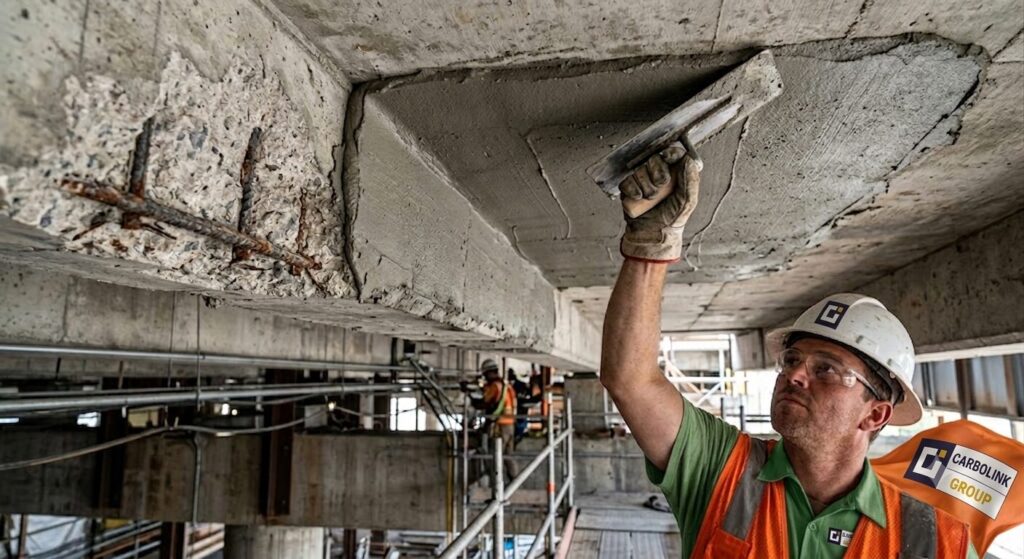
When waterproofing systems cannot accommodate this movement, cracks may develop. Even the smallest cracks can allow water to enter the building and gradually cause damage.
2. Small Cracks Turn Into Expensive Repairs
When it comes to cracks in concrete, most homeowners and building occupants tend to ignore them because they appear small and harmless. However, even minor cracks can act as entry points for water. Once water penetrates the concrete, it travels through capillaries and weak areas within the structure, gradually spreading over time. What starts as a tiny crack can eventually lead to water-stained walls and ceilings, peeling paint, mold growth, and significant structural damage, resulting in costly repairs if not addressed early.
symptoms may begin to show up:
• Water-stained ceilings
• Water-stained walls
• Paint beginning to peel away from concrete surfaces
• Mold starting to grow on the walls and ceilings
• Interior walls and ceilings of your home or building are being damaged
By this time, you will find that the cost of repairs is going to cost you much more than just
addressing the issue in a timely manner.
3. Water Ponding Is Silently Destroying Your Waterproofing
Do you often see water left on terraces days after it rains?
That water causes more damage than you might think.
Standing water creates:
• Increased pressure on the waterproof-bonding layer,
• Weak areas are more likely to be damaged,
• Water finds a way into the substrate through cracks and seams, and
• Water will weaken and degrade the materials over time.
Even a well-constructed system can suffer damage after prolonged exposure to standing water.
This is one of the primary reasons for repeated water leaks on terraces.
4. UV Exposure Ages Waterproofing Faster Than Expected
The Indian climate can be extremely harsh on waterproofing systems. Roofs and terraces are continuously exposed to intense sunlight, high temperatures, and UV radiation throughout the year. Over time, this constant exposure causes waterproofing materials to deteriorate, reducing their effectiveness and lifespan. As the protective layer ages, it gradually loses its ability to withstand environmental stress, making the structure more vulnerable to water infiltration and damage.
Effects of UV Exposure on Waterproofing Systems:
- Becomes brittle and weak
- Loses flexibility over time
- Develops cracks and surface damage
- Separates from the substrate
- Reduces overall waterproofing performance
As a result, a waterproofing system may appear intact from the outside while already losing a significant portion of its protective capability.
5. Installation Quality Matters More Than Most People Think
Even the most advanced waterproofing system can fail if it is not installed correctly. The quality of installation plays a crucial role in determining the long-term performance and durability of any waterproofing solution. When the application process is rushed or important details are overlooked, weak points can develop that allow water to penetrate the structure. A waterproofing system is only as strong as its weakest link, which is why proper installation and attention to detail are essential for achieving reliable protection.
Common Installation Issues:
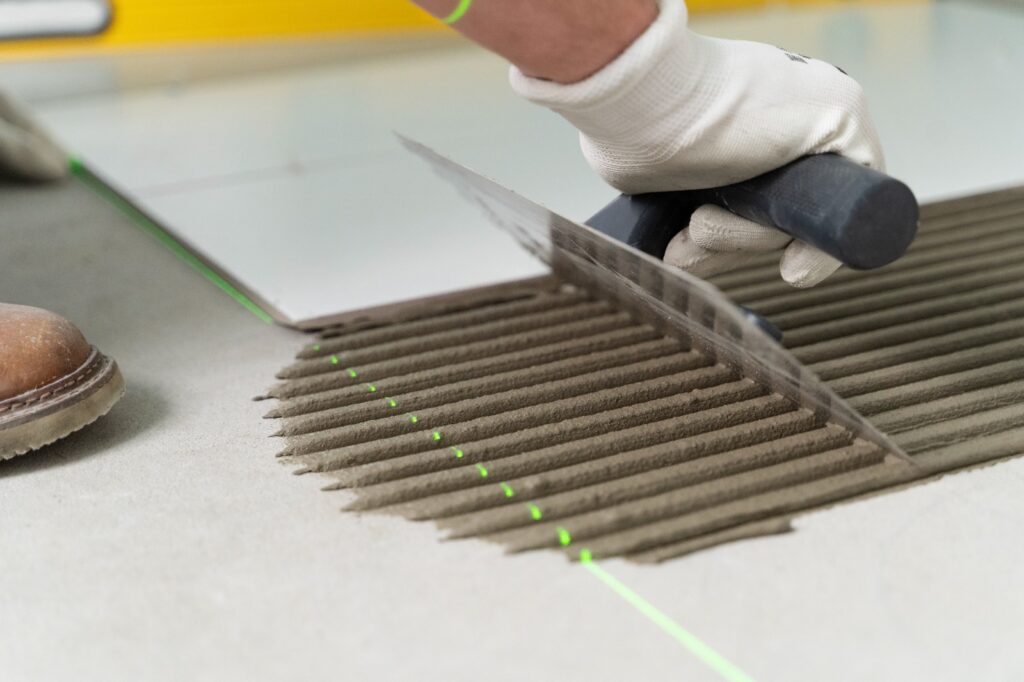
- Insufficient surface preparation
- Inadequate crack treatment
- Dust and surface contamination
- Uneven application thickness
- Poor detailing around drains, joints, and other critical areas
Unfortunately, even small installation mistakes can compromise the effectiveness of the entire waterproofing system and increase the risk of future leakage problems.
6. Traditional Systems Often Require Repeated Maintenance
Many property owners frequently wonder why they have to repair the same terrace repeatedly despite previous waterproofing work. In most cases, the issue lies within the waterproofing system itself. Traditional waterproofing methods were not designed to withstand the extreme environmental conditions and structural demands of modern buildings.
As structures become larger, more complex, and increasingly exposed to weather-related stress, these conventional systems tend to deteriorate faster, leading to frequent maintenance, recurring repair costs, and ongoing waterproofing challenges.
As a result, you will continue to experience:
• Repeated repair costs
• Scheduling disruptions due to operational interruption for repairs
• Damage to the interior of the building
• Frustration for building owners
While there may seem to be savings from the low initial construction cost, these savings
disappear over time.
7. The Hidden Cost Nobody Talks About
The true cost of waterproofing failure extends far beyond repairing the waterproofing system itself. When water penetrates a building, it can damage multiple components of the structure, resulting in expensive repairs and operational disruptions. In both residential and commercial properties, the financial impact of water damage often exceeds the original cost of waterproofing. This is why developers and property owners are increasingly focusing on the long-term performance and lifecycle value of waterproofing systems rather than simply choosing the lowest initial cost.
Areas Commonly Affected by Waterproofing Failure:
- Interior finishes
- Ceilings and walls
- Electrical systems
- Furniture and equipment
- Paint and decorative fixtures
- Tenant or occupant complaints
- Business interruptions and operational downtime
In commercial buildings, waterproofing failures can negatively impact tenant satisfaction, productivity, and business operations, making long-term waterproofing performance a critical investment.
Why Modern Projects Are Choosing Seamless Waterproofing Systems
The construction industry is increasingly adopting advanced waterproofing technologies to improve building performance and long-term durability. Architects, consultants, and contractors are now focusing on solutions that not only prevent water ingress but also reduce maintenance requirements and enhance the overall lifespan of structures. Seamless waterproofing systems, particularly advanced technologies such as Polyurea, have emerged as a preferred choice because they provide continuous protection without the vulnerable joints and overlaps commonly found in traditional waterproofing methods. By creating a monolithic waterproof barrier, these systems deliver reliable performance even under demanding environmental conditions.
Key Benefits of Seamless Waterproofing Systems:
-
Long-term durability
-
Reduced maintenance costs and repair frequency
-
Greater flexibility to accommodate structural movement
-
Faster project completion
-
Consistent performance during extreme weather conditions
-
Superior resistance to water penetration
Unlike traditional waterproofing systems that rely on multiple layers and seams, Polyurea-based solutions create a seamless membrane that minimizes potential failure points, providing enhanced protection and reducing the risk of costly water damage over the life of the building.
How Carbolink 105HY Polyurea Addresses Modern Waterproofing Challenges
We have collaborated with numerous clients at Carbolink India Pvt. Ltd. who have dealt with
leakage problems for a long time. This is why we created performance and added benefits,
rather than just temporary fixes. We created our 105HY Polyurea Waterproofing System to
provide the following:
• Seamless waterproofing protection
• Excellent crack-bridging ability
• Great flexibility with structural movement
• Excellent bonding to Concrete
• Superior weather resistance
• Minimal maintenance
• Fast turnaround time on projects
Whether your project is a residential terrace, commercial roof, podium slab, parking deck or
industrial complex, our goal is always to create a waterproofing system that lasts.
Before the Next Monsoon Arrives…
Most problems associated with levelling/post-levelling end before they even appear on the
ceiling from water leaks. There will be warning signs. Small vertical hairline cracks, ponding,
or old surfaces, or slight dampness should be apparent long before they become an expensive
repair. Identifying any of these signs early can be the difference between an easy solution and
a major repair cost for your property adjacent to the building.
The best we can hope for regarding the levelling of waterproof structures is that no fixing or
modification of the waterproofing system has been needed.
Protect Your Terrace with Confidence
If your terrace waterproofing is approaching the 3–5 year mark—or if you’ve started noticing
early signs of failure—it may be time for a professional assessment.
Carbolink India Pvt. Ltd. provides advanced waterproofing solutions designed for modern
construction challenges.
Our expertise includes:
• Terrace & Roof Waterproofing
• Polyurea Waterproofing Systems
• Industrial Waterproofing
• Commercial & Infrastructure Protection
• Technical Consultation & Site Evaluation
Website: https://carbolinkindia.com/
Contact: +91 7842079759
Because a waterproofing system shouldn’t just survive the monsoon.
It should be ready for every monsoon that follows.