


Preparation
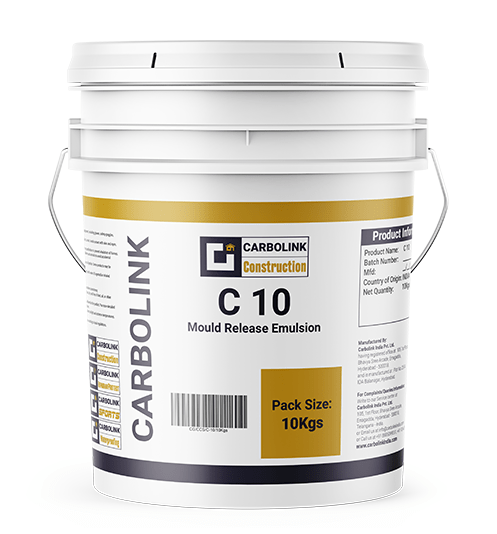
Before applying C 10, it is recommended to strip any existing wax layers from previously waxed surfaces. After stripping, sand the exposed surface using a disc or paper with a grade suitable for the specific wood type. For example, use a grain of 150 for oak and 220 for pine. If staining is required, apply either a water-based or oil-based stain to the exposed wood and allow it to dry completely before proceeding with the wax application.
Application
Apply C 10 using a soft cloth, brush, or pad, ensuring that the tool used will not damage the surface. Use light, circular motions to apply a thin, even coat of the emulsion, working against the grain of the wood. In areas that are difficult to reach, such as spindles or carved details, use rags, special pads, or foam brushes. Allow the wax to set on the surface for 5-7 minutes, then buff with a clean, soft cloth. For detailed areas, a furniture brush may be required to achieve a thorough buff. Apply a second coat of wax, this time working with the grain, using the same method of light, circular motions. Allow the second coat to set for 60-75 minutes before buffing again. For best results, allow the treated surface to sit overnight before giving it a final buff. Note: Additional layers of wax will enhance the gloss of the finish. Avoid using conventional varnish systems over a wax-treated surface unless the wax is completely stripped.
Coverage
Coverage varies depending on the surface texture and porosity of the material. Typically, C 10 covers 80-140 grams per square meter, equivalent to approximately 3.5 to 6 square meters per 500-gram pack for a single coat application.